
Why Microgreens Are More Nutritious Than Full-Grown Vegetables
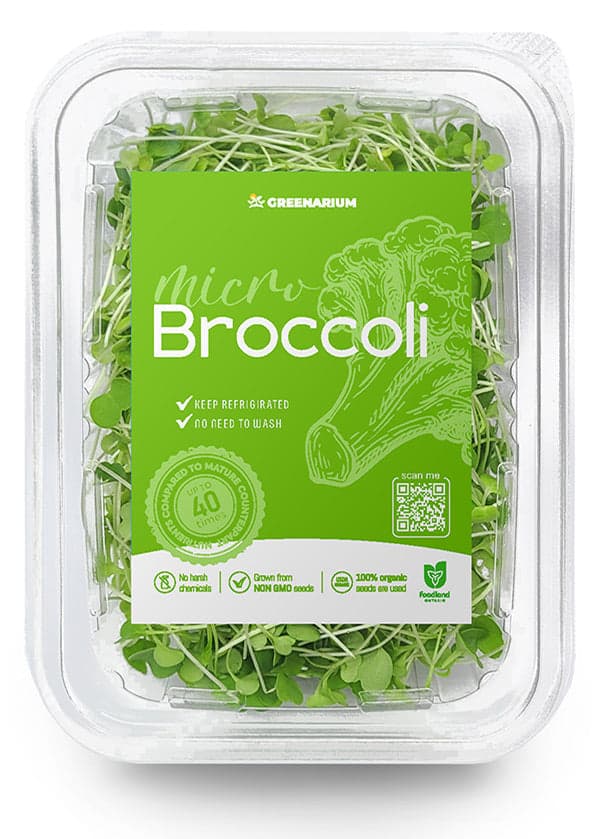
Microgreens are the seedling stage of vegetables and herbs — harvested just 7–21 days after germination when the first true leaves emerge. Despite their small size, they pack a remarkable nutritional punch.
A study published in the Journal of Agricultural and Food Chemistry found that microgreens contain between 4× and 40× more nutrients by weight than their mature counterparts. Broccoli microgreens, for example, contain up to 40× more sulforaphane — a powerful anti-cancer compound — than mature broccoli.
Why are they so concentrated?
During the seedling stage, the plant is rapidly converting stored nutrients from the seed into the energy needed for growth. This means the young plant is temporarily denser in vitamins, minerals, and antioxidants than it will be at any other point in its lifecycle.
Key nutrients found in high concentrations include: - Vitamin C, E, and K - Beta-carotene (Vitamin A precursor) - Folate - Lutein and zeaxanthin (eye health) - Glucosinolates (cancer-fighting compounds in brassicas)
Does cooking destroy these nutrients?
Yes, to some extent. Microgreens are best eaten fresh and raw. Toss them onto dishes just before serving — on toast, in salads, on top of soups — to preserve their full nutritional profile.
Which varieties are the most nutrient-dense?
- Broccoli: Highest in sulforaphane
- Red Cabbage: Exceptional in Vitamin C and anthocyanins
- Sunflower: High in Vitamin E and folate
- Pea Shoots: Rich in Vitamins A and C, and folate
- Kale: Dense in Vitamins K, C, and B6
The bottom line: adding a small handful of microgreens to a daily meal is one of the simplest, most effective nutritional upgrades you can make.